
English| EUR
Suggested for you
More currencies
Choose a language
Securing a seat at Tokyo Dome requires navigating a ticketing ecosystem built for domestic fans—one that blends team websites, third-party platforms, and convenience store terminals. This guide walks you through every purchasing channel, from official presales to same-day counter availability, so you arrive with a confirmed seat.
Quick answer
Purchasing baseball tickets in Japan happens through three primary channels: the team's official website or app, third-party platforms like Lawson Ticket and Pia, and in-person sales at convenience store kiosks or the stadium box office. For Tokyo Dome home games, the Yomiuri Giants release tickets approximately one month before each game via their official site, with general sales opening shortly after member presales close. Foreign visitors without a Japanese phone number can use resale platforms such as Viagogo or StubHub, though prices often exceed face value during high-demand matchups.
Japan's professional baseball ticketing system operates on a fundamentally different infrastructure than Western sports venues—one that treats convenience stores as legitimate box offices and phone-verified accounts as the default gatekeeper. At Tokyo Dome, home to the Yomiuri Giants, the majority of tickets never touch a secondary market because they're sold weeks in advance through a network of domestic platforms that assume Japanese residency. The official route begins with the Giants' team portal, which opens ticket sales roughly thirty days before each game. Members of the team's fan club receive priority access during a presale window that typically lasts forty-eight hours, after which remaining inventory moves to general sale. Payment requires a Japanese credit card or a account linked to a domestic bank; foreign cards are accepted inconsistently depending on the platform's payment gateway. Tickets purchased online are delivered as QR codes to a smartphone app or printed at a Lawson, FamilyMart, or 7-Eleven kiosk using a confirmation number. Third-party ticketing giants—Lawson Ticket, Pia, and eplus—function as authorized resellers rather than speculative marketplaces. These platforms list the same inventory as the team site, often with identical pricing, and their advantage lies in interface localization and the ubiquity of their convenience store pickup network. A ticket reserved through Lawson Ticket at midnight can be collected from any Lawson store nationwide by noon the next day, printed at a Loppi terminal in under ninety seconds. The system's efficiency has made konbini ticket counters the de facto box office for millions of Japanese concertgoers and sports fans. For travelers without access to Japanese payment rails, the path narrows to resale platforms or same-day availability. Viagogo and StubHub list Tokyo Dome tickets with English interfaces and accept international cards, though markup varies wildly—weekend games against the Hanshin Tigers can command three times face value, while midweek matchups against lower-ranked teams sometimes sell below original price. Same-day tickets are sold at the stadium's western ticket window starting two hours before first pitch, but availability is never guaranteed, and popular series sell out days in advance. Understanding how to buy baseball tickets in Japan means recognizing that the infrastructure favors advance planning and domestic payment methods, and that spontaneity comes at a premium.
“Japan's professional baseball ticketing system treats convenience stores as legitimate box offices and phone-verified accounts as the default gatekeeper.”
Securing baseball tickets for Tokyo Dome requires navigating Japanese-language platforms or using authorized resellers that support English. The entire process takes 10–15 minutes once you've selected a game date.
Navigate to the Giants' official ticketing portal at giants.jp/en or use authorized partners like JapanBallTickets.com for English support. The official site offers the widest seat selection but requires basic Japanese navigation skills.
Browse the home game schedule and choose a match—weekday games typically have better availability than weekend or rivalry fixtures against the Hanshin Tigers. Game times are listed in Japan Standard Time.
Tokyo Dome divides seats into infield (behind home plate and bases), outfield, and standing zones. Seat maps show section numbers; lower-numbered infield seats sit closer to the action, while outfield seats place you among the most vocal fan groups.
Create an account or log in, then proceed through checkout using a credit card that supports international transactions. Confirm your email address is correct—your e-ticket or collection instructions will arrive here within 24 hours.
Check your email for a QR code ticket (most common) or instructions to collect physical tickets from a convenience store FamiPort kiosk. Arrive at the venue with your QR code loaded or printed—mobile display is accepted at all gates.
Entering the Tokyo Dome City complex is completely free, but attending a baseball game requires a ticket. Ticket prices depend on the selected seating category and the game date.
Verdict: A typical adult spectator pays between 2,200 JPY and 7,700 JPY for a seat, which varies based on the match demand.
Tokyo Dome is situated at 1-3-61 Koraku, Bunkyo-ku, Tokyo 112-0004, Japan, making it highly accessible from multiple central transit hubs. The easiest approach is using Tokyo's subway and rail networks to reach stations immediately adjacent to the complex.
JR Chuo-Sobu Line to Suidobashi Station (from Shinjuku)
Tokyo Metro Marunouchi Line to Korakuen Station (from Tokyo)
Toei Mita Line to Suidobashi Station (from Otemachi)
Toei Oedo Line to Kasuga Station (from Shinjuku-Nishiguchi)
Because specific gate access is determined by your ticketed seat, check your gate number in advance. You can arrive during the recommended window of 00:00–23:59 to experience the restaurants and shops at Tokyo Dome City prior to the game.
The Nippon Professional Baseball (NPB) season typically runs from late March through October, with the optimal experience occurring during the cooler months of April or October. Checking the official NPB schedule is essential to confirm game start times, as arriving well before the first pitch allows for seamless entry and access to pre-game activities.
Mild, 15°C to 22°C; comfortable for transit.
These months offer pleasant temperatures and consistent game schedules. Early-season matches provide a balanced experience for spectators.
Humid, 25°C to 35°C; prepare for heat.
Summer months align with school holidays, resulting in larger crowds. Plan for higher temperatures when traveling to the venue.
Cooling, 18°C to 26°C; decreasing humidity.
The end of the regular season often features high-stakes games. Mid-autumn weather is favorable for those visiting the stadium.
Verdict: April or October games on Tuesday to Thursday offer the most comfortable weather and moderate crowd levels.
Prepare these essentials before purchasing tickets to ensure a seamless transaction and entry on game day.
Everything you need to know about how to buy baseball tickets in japan
For tourists planning ahead, learning how to buy baseball tickets in japan is key to ensuring a spot at the stadium. Tickets for the Yomiuri Giants are highly sought after, making early reservation online the safest route. You can check the official team English portal to see if any general admission tickets remain before you travel.
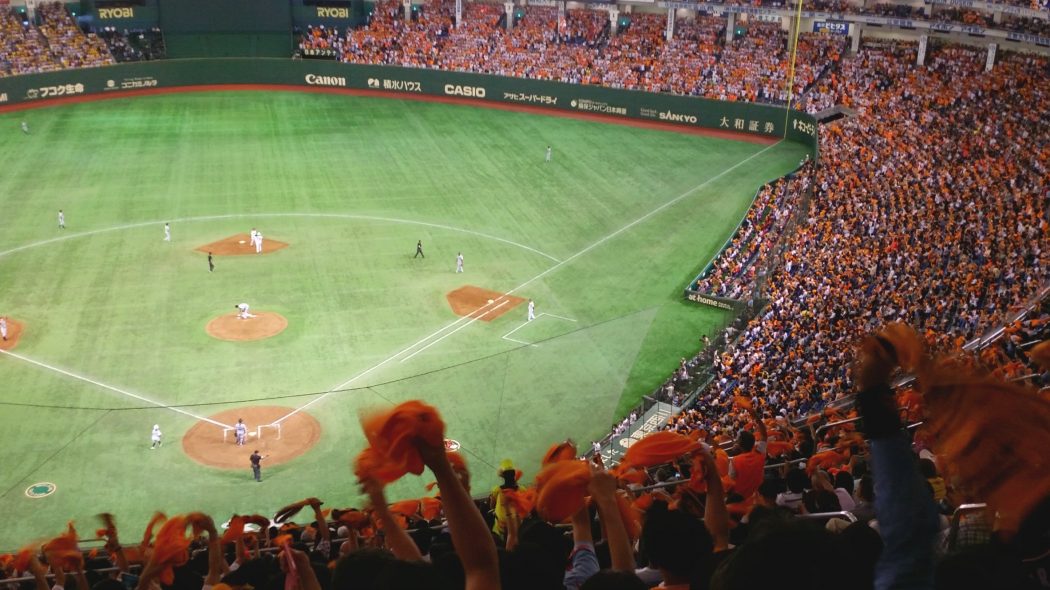
If you want a lively atmosphere, looking into a Nippon Professional Baseball ticket booking for the outfield seats is highly recommended. These areas are where the local fan clubs sit, chant, and beat drums throughout the match. For a quieter and more relaxed view, choose the upper deck or infield seating options.
When research online shows sold-out dates, you might wonder how to buy baseball tickets in japan through other means. We advise avoiding unofficial ticket resale sites as Japan enforces strict laws against scalping. Stick to official partner platforms or certified resale marketplaces to avoid being turned away at the gate.
Purchasing NPB tickets online in advance is always recommended, but same-day tickets may be sold at the box office if the game is not sold out. The ticket windows are situated near the main gates of the complex, which is easily accessible from the Tokyo Metro network. Keep in mind that high-profile matches sell out weeks in advance.
Most schedules are released before the season starts, which helps you plan how to buy baseball tickets in japan early. Sales typically open to the public about one to two months before the game day. We recommend checking the official calendar as soon as your travel dates to Bunkyo-ku are confirmed.
The venue is highly accessible, with Korakuen Station being one of the closest transit hubs. Navigating to a Tokyo Dome baseball game is straightforward using the city's extensive subway lines. The main gates are located just a short walk from multiple exit portals, ensuring a smooth arrival.
Using self-service ticketing kiosks in convenience stores is a popular way to learn how to buy baseball tickets in japan once you arrive. While the machines sometimes have limited English interfaces, staff members are usually helpful if you show them the game details. Be sure to have cash or local card options ready to finalize the transaction.
To ensure a smooth Japanese baseball experience, note that cans, plastic bottles, and large coolers are generally restricted at the entrance. Security staff will check bags at the gates, though you can purchase a wide variety of food and beverages once inside. The stadium complex is fully cashless, so prepare your digital payment methods or credit cards.
Tokyo Baseball Tickets by Season
Read more GuideUnderstanding Tokyo Baseball Ticket Pricing
Read more Tickets & toursHow to Buy Tokyo Giants Tickets
Read more Tickets & toursTokyo Big 6 University Baseball Tickets
Read more Tickets & toursTokyo Dome Baseball Games & Tickets
Read more