
3 hr
Yomiuri Giants Baseball at Tokyo Dome – Ticket & Towel
Catch Japan's legendary baseball team in action at their iconic home stadium with reserved seating and a fan towel
Reserve
Hand-picked by our editors — only the best 5 experiences from 47 reviewed.
Verified partners for every tour, free cancellation where available, and instant confirmation on every booking.
3 hr
Catch Japan's legendary baseball team in action at their iconic home stadium with reserved seating and a fan towel
Reserve
3 hr 45 min
Join passionate fans at a live professional baseball match and discover Japan's beloved sporting culture
Reserve
3 hr 30 min
Experience Japan's loud, passionate baseball culture with a guide who lives for game day
ReservePrices from verified partners. Availability updates in real time at checkout. Free cancellation policies apply where shown.
The landmarks, rooms, and views travelers on this tour remember — all visible on a single visit.
Located near Gate 21, this museum showcases historical artifacts, jerseys, and trophies from Japanese baseball history. It features plaques honoring inducted players and displays detailing the evolution of the sport in Japan since 1959.
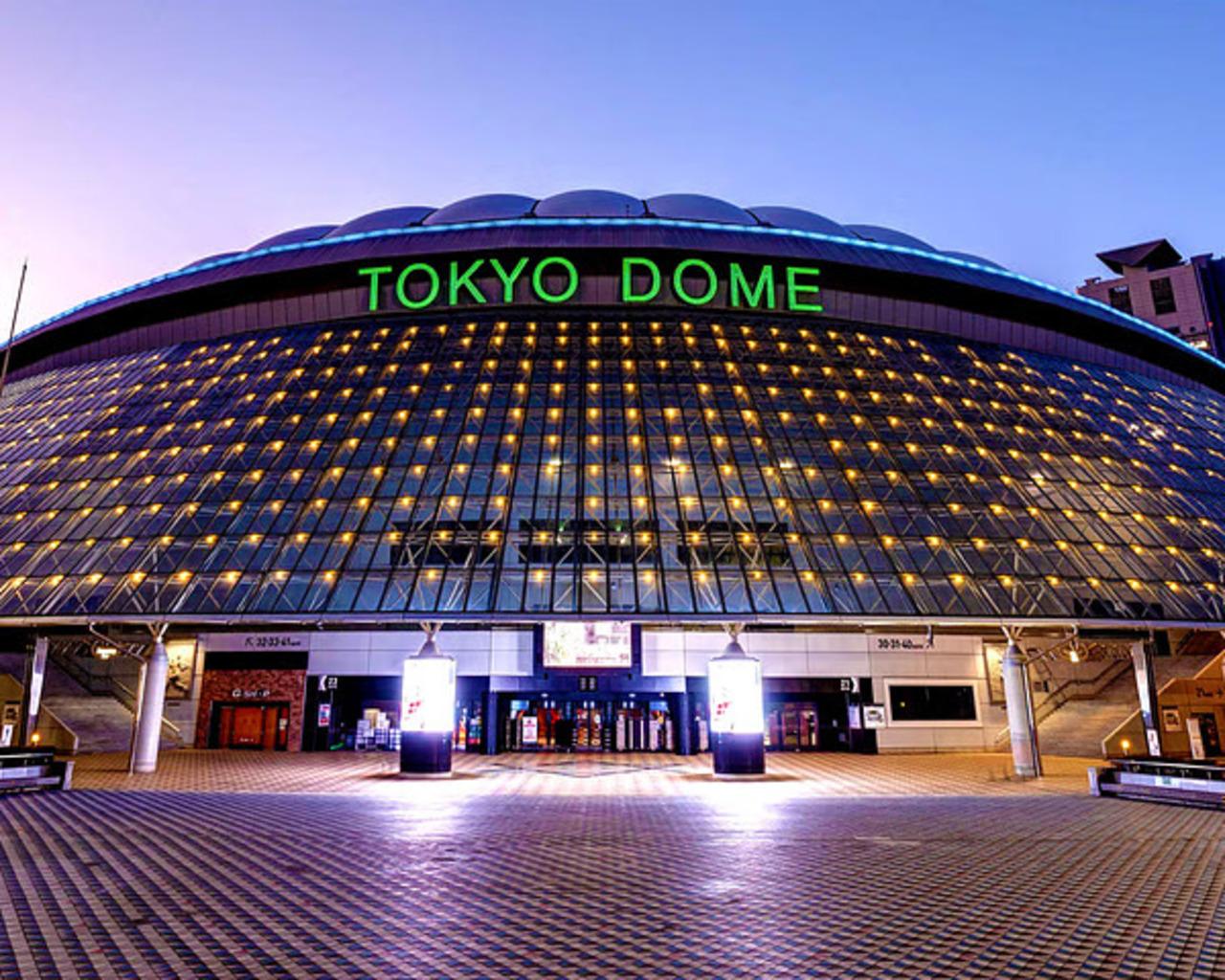
Completed in 1988, the dome's fabric roof is supported by maintaining air pressure inside that is 0.3 percent higher than outside. A series of 36 powerful ventilation fans continuously run to keep the structure fully inflated.
This wall display features copper plaques commemorating legendary players and musicians who have performed at the venue. It offers visitors a visual history of the cultural events hosted since the stadium opened.
This official retail shop offers a massive selection of merchandise including player jerseys, caps, and souvenirs featuring the mascot. It serves as the primary hub for fans gearing up before the game.
A massive food hall located on the first floor concourse featuring 11 distinct culinary outlets. It serves stadium classics alongside traditional bento boxes and Japanese street food during events.
They complement each other; most visitors who do both call Tokyo Dome the more thrilling modern spectacle. If you prefer high-octane Japanese sports culture, choosing to buy tokyo giants baseball tickets tours is the easiest way to experience the stadium's loud cheering sections, while traditionalists will appreciate the quiet reverence of a historic sumo arena.
| Feature | Top pick Tokyo Dome Baseball | Professional Sumo Tournament |
|---|---|---|
Atmosphere |
Rowdy cheers, chanting, and stadium organ music | Reverent Shinto rituals and sudden explosive clashes |
Seasonality |
Late March to October regular season | Six 15-day tournaments held throughout the year |
Duration |
Approximately 3 hours per game | 2 to 10 hours daily per tournament |
Accessibility |
Central Tokyo Dome; tickets widely available online | Sumida arena; tickets sell out very quickly |
Cultural Depth |
Modern fan culture with synchronized cheering sections | Ancient Shinto rituals and traditional wrestling heritage |
Action Pace |
Moderate speed with breaks between innings | Extremely fast, explosive individual bouts |
| See tickets → |
Verdict: Ultimately, booking a buy tokyo giants baseball tickets tour allows you to easily join a modern, synchronized stadium crowd, whereas securing seats for a professional sumo tournament requires planning far in advance to witness a centuries-old Shinto martial art.
Choose your ticket, select your date, and reserve in under two minutes. Secure checkout handled by our verified partner.
Instant confirmation by email, with a mobile voucher you can save offline. No printing, no queuing at a collection desk.
Arrive at the entrance, show your voucher on your phone, and walk in. Most tickets include priority or skip-the-line access.
Practical details for your visit straight from our verified partners — hours, access, rules, and how to get there.
1-3-61 Koraku, Bunkyo-ku, Tokyo 112-0004
This is the main gate for entering Tokyo Dome and a common meeting spot.
Take the JR Chuo-Sobu Line to Suidobashi Station or the Tokyo Metro Marunouchi Line to Korakuen Station. Both stations are located within a five-minute walk of the venue.
Walking from the nearby Bunkyo Civic Center provides a clear path straight to Tokyo Dome City.
Taxis can drop passengers off at designated areas near the Tokyo Dome Hotel. This is convenient if you are carrying bags or taking a buy tokyo giants baseball tickets tour of the area.
Visitors should wear comfortable clothing suitable for a lively indoor stadium. Many fans wear the team colors of orange and black to support the home team. If you buy tokyo giants baseball tickets, displaying team merchandise is highly welcomed.
All visitors must go through security checks at the gates. Large luggage or backpacks exceeding seat dimensions are not allowed inside. Before you buy tokyo giants baseball tickets, ensure your bags fit under the stadium seats.
Personal photography and filming are allowed for private use inside the dome. Tripods, monopods, and flash photography are strictly prohibited during the game. Once you buy tokyo giants baseball tickets, you may take photos of the field but avoid blocking other guests.
Wheelchair-accessible seating is available on the main concourse levels. Elevators and accessible restrooms are distributed throughout the facility. When planning to buy tokyo giants baseball tickets, specify accessibility requirements during the booking process.
Mobile phones should be kept on silent mode or used discreetly to avoid disrupting other spectators. Free Wi-Fi is available, but network speeds may decrease when the stadium reaches full capacity.
Children under school age can enter for free if they sit on a parent's lap. Strollers must be checked at the entrance gates before heading to the seating areas. Families who buy tokyo giants baseball tickets can enjoy dedicated kids' play zones nearby in Tokyo Dome City.
Outside food is permitted inside the stadium, but outside alcoholic drinks are banned. Drink containers such as cans, glass bottles, and frozen bottles are prohibited at security check points. Those who buy tokyo giants baseball tickets can purchase draft beer from the roaming beer vendors called uriko.
Pets and other animals are not allowed inside Tokyo Dome. Only certified assistance dogs, such as guide dogs, are permitted to enter the facility with their owners.
Tokyo Dome is a completely cashless venue, meaning all food stands and merchandise shops only accept electronic payments. There are charging stations and coin lockers located outside the gates for convenience.
1-3-61 Koraku, Bunkyo-ku, Tokyo 112-0004
This is the main gate for entering Tokyo Dome and a common meeting spot.
Get directions1 Chome Misakicho, Chiyoda City, Tokyo 101-0061
A convenient meeting point near the JR Chuo-Sobu Line.
Get directionsBest time to go, insider tips, nearby landmarks, and the cancellation fine print — flip through to skim what matters to you.
How crowds, weather, and events shift across the year.
The regular baseball season begins in late March. Mild weather makes exploring the surrounding Tokyo Dome City highly comfortable. Fans looking to buy tokyo giants baseball tickets should book well in advance for opening series games.
Hot weather makes the air-conditioned indoor stadium a great escape. The mid-summer matches often feature special promotional giveaways and theme nights.
The pennant race heats up with high-stakes games. Climax Series playoff tickets are extremely difficult to secure due to high local demand.
No professional baseball games are played during the off-season. The dome hosting concerts, exhibitions, and the Tokyo Dome City winter illumination display.
Small details that turn a good visit into a great one.
All food and merchandise stalls inside the stadium accept credit cards and IC transport cards only. Cash is not accepted at any registers inside the dome.
For a quiet view of the game, choose infield seats. If you want to experience the passionate chanting and drum-led cheers, opt for outfield seats instead.
Aim to enter the stadium at least 60 minutes before the first pitch. This allows you to browse the food stadium, buy jerseys, and find your seat without rushing.
When you buy tokyo giants baseball tickets, expect heavy foot traffic after the final out. Leave slightly early or wait in Tokyo Dome City to avoid crowded train stations.
Taste the stadium specialty bento boxes styled after famous players. Beer girls walk down the aisles selling draft beer directly to your seat.
Each player has a specific cheer song sung by the outfield supporters. Join in the orange towel-spinning dance when the team scores a run.
Non-bookable sights within a short walk — free to visit, easy to pair.
One of Tokyo's oldest and best-preserved Japanese gardens, featuring traditional bridges, ponds, and maple trees.
An amusement park featuring the Thunder Dolphin roller coaster and a hubless Ferris wheel.
A commercial complex with a natural hot spring spa, dining facilities, and shopping outlets.
A free observation deck on the 25th floor offering panoramic views of the Tokyo skyline and Mount Fuji on clear days.
Flexible, no hidden fees.
If you buy tokyo giants baseball tickets, please note that match tickets are non-refundable once purchased. The facility entrance fee is 0 JPY, but game entry requires a valid ticket.
Hand-picked options within walking distance — pick a district for vibe, or a specific hotel for convenience.
A high-rise hotel offering views of the stadium and convenient access to local transport networks.
Comfortable rooms with modern amenities located close to local dining spots.
A stylish lifestyle hotel featuring digital check-in and views of the railway line.
Tokyo Dome opened in March 1988 as Japan's first all-weather stadium, a 55,000-capacity air-supported structure that replaced the open-air Korakuen Stadium and made the Yomiuri Giants the first professional baseball team in Asia to play every home game indoors. The Giants, founded in 1934 as Japan's inaugural professional club, have won twenty-two Japan Series championships—more than any other franchise in Nippon Professional Baseball—and their dominance through the Showa and Heisei eras turned Tokyo Dome into a symbol of the sport's cultural reach. The club's name honors the New York Giants, reflecting the founder's admiration for American baseball, yet the Tokyo side built its own mythology: nine consecutive Japan Series titles between 1965 and 1973, a feat unmatched in global professional sport, and a roster that has included Sadaharu Oh, who holds the world record for career home runs at 868. The venue itself is embedded in the Tokyo Dome City complex, a 112-hectare entertainment district in Bunkyo ward that combines the stadium with an amusement park, spa resort, and shopping arcade. The dome's Teflon-coated fiberglass membrane roof spans 207 meters, supported by internal air pressure maintained at 0.3 percent above atmospheric level—a design that eliminated structural columns and gave every seat an unobstructed sightline. When you buy Tokyo Giants baseball tickets, you are reserving a place in a stadium where attendance averages forty-three thousand per game during the regular season, and where the roar of the oendan—organized cheering squads positioned in the outfield stands—creates a wall of sound that European football terraces would recognize. The Giants play eighty-one home games each season, running from late March through early October, with the schedule concentrated between April and September. Tokyo Dome hosts not only Giants fixtures but also All-Star games, postseason matchups, and international tournaments including the World Baseball Classic, yet the Giants remain the anchor tenant, and their orange towels—waved in unison during the seventh-inning stretch—define the stadium's identity. Reserved seat categories range from the infield box—leather recliners behind home plate—down to the outfield general admission benches where ticket prices drop below two thousand yen and the oendan lead call-and-response chants. The stadium's retractable seating sections accommodate concerts and exhibitions during the off-season, but between March and October, Tokyo Dome belongs to baseball, and the Giants' loyal following ensures that weekend games against rivals like the Hanshin Tigers or Chunichi Dragons sell out weeks in advance. Advance booking through official channels or authorized resellers is standard practice; walk-up availability is rare for marquee fixtures.
"The Giants have won twenty-two Japan Series championships—more than any other franchise in Nippon Professional Baseball."
A step-by-step walkthrough of the visit — what you'll see, how long each stage takes, and the details that matter.
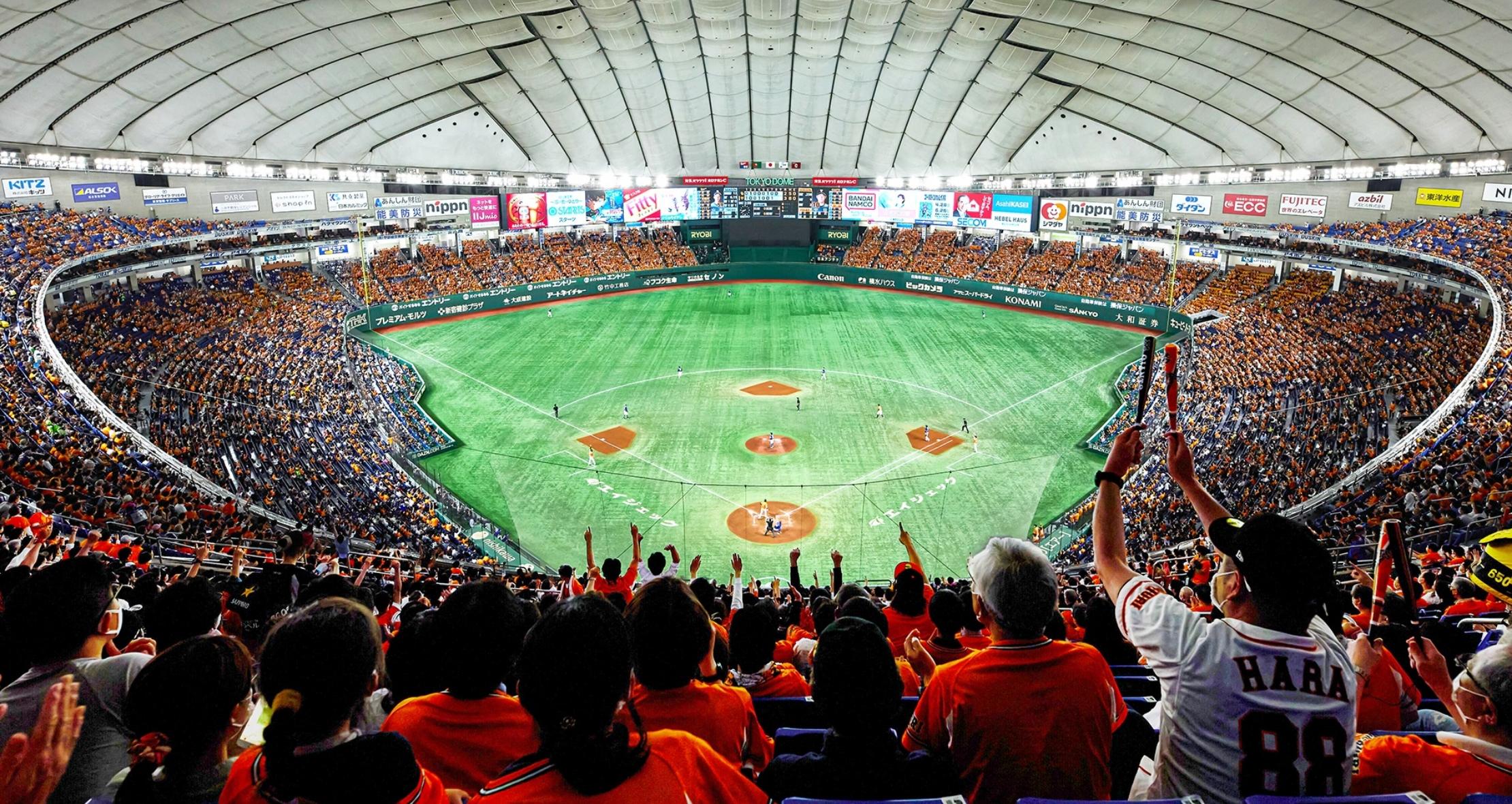
You arrive at Suidobashi Station ninety minutes before first pitch, join the stream of fans in orange caps moving toward Gate 22, and scan your mobile voucher at the turnstile without queuing at the box office. The concourse smells of yakitori and draft beer; you collect a rally towel from the merchandise kiosk and climb the ramp to Section 14, midway down the third-base line, where your reserved seat offers a direct view of the pitcher's mound and the Giants dugout. The field is a flawless rectangle of artificial turf, the infield dirt raked into chevron patterns, and the scoreboard above center field cycles through starting lineups in kanji and roman script. The oendan take their positions in the right-field bleachers thirty minutes before game time, unfurling banners and testing their taiko drums, and when the Giants take the field for the top of the first, the entire stadium stands. You wave your towel in time with the chant—"Let's go, Giants, let's go"—and the air pressure in the dome amplifies the noise until it feels physical. Between innings you queue for a bento box, return to your seat as the seventh-inning stretch begins, and watch forty thousand towels whirl overhead in synchronized arcs, a ritual that turns spectators into participants and makes every home game feel like a festival.
You can purchase tickets online through official sales channels or authorized ticketing partners. We recommend booking in advance as games often sell out quickly.
Game tickets at Tokyo Dome are generally non-refundable unless the match is officially canceled. If canceled, refunds are processed according to the operator's guidelines.
Bags must fit under your seat at Tokyo Dome. Large backpacks and suitcases are not permitted, so please use coin lockers outside the gates if needed.
Yes, you can bring outside food into Tokyo Dome, but cans, glass bottles, and outside alcoholic beverages are prohibited.
Gates typically open two hours prior to the scheduled game time. Check the official Tokyo Dome schedule for specific match timings.
Yes, Tokyo Dome provides dedicated wheelchair-accessible seating areas. You should request these seats when purchasing your entry pass.
Children under school age who sit on a parent's lap do not require tickets at Tokyo Dome. A standard ticket is needed if they require their own seat.
There is no official dress code at Tokyo Dome, but wearing the home team's orange and black colors is highly popular among local fans.
Personal photography is allowed from your seat inside the stadium. However, professional equipment, tripods, and flash photography are strictly prohibited.
The closest stations are Suidobashi Station on the JR Chuo-Sobu Line and Korakuen Station on the Tokyo Metro Marunouchi Line.